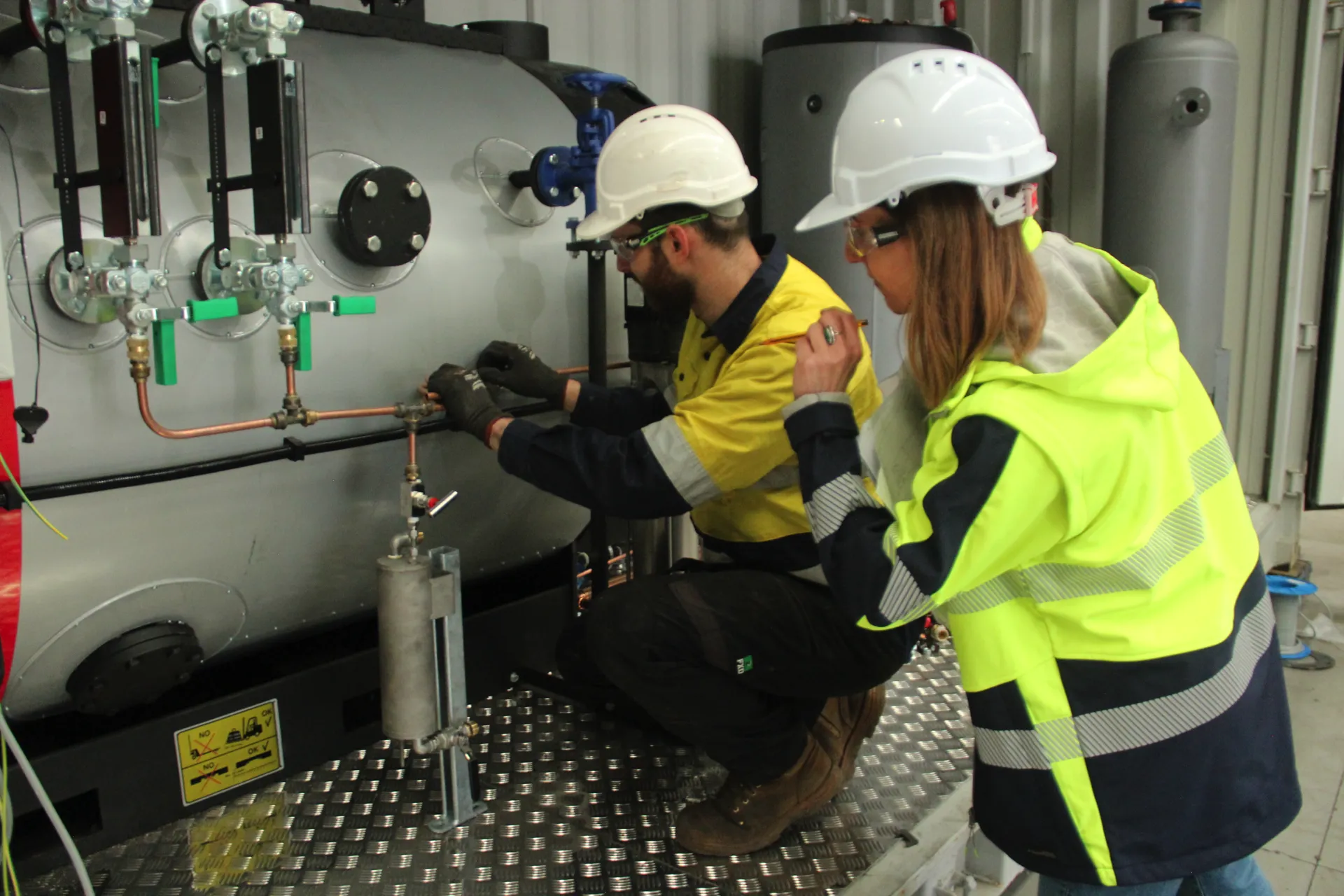
Boilers used in commercial and industrial operations carry significant risks if not properly managed. Equipment operating under pressure and high temperature creates hazards such as over-pressurisation, flame instability, scale build-up and system failures. The national model Work Health and Safety Regulations 2011 require businesses to identify reasonably foreseeable hazards and implement controls to minimise risks. Inadequate supervision or operator competence has been cited by regulators as a contributing factor in boiler-related incidents.
Why proper training is critical for preventing accidents and downtime
Training is more than a compliance formality—operator competence is a key component of safe boiler operation. Under legislation, employers must ensure workers receive “suitable and adequate” training given the nature of the work and associated risks.
Accredited training equips staff to perform safe startup, monitoring, shutdown and maintenance activities. These actions help reduce the likelihood of unplanned shutdowns, equipment damage and safety incidents. Training also helps embed a culture of safety and operational discipline across your boiler system.
What to expect from accredited boiler operator training programs
In Australia accredited boiler operator training typically includes nationally-recognised units of competency such as MSMBLIC001 – Licence to Operate a Standard Boiler and MSMBLIC002 – Licence to Operate an Advanced Boiler.
These programs combine theory and practical assessments covering:
- Safe boiler start-up, hand-over, monitoring and shut-down.
- Identification of hazards, maintenance tasks and control measures.
- Familiarity with relevant standards such as AS 2593:2021 – Boilers – Safety Management and Supervision Systems.
- Formal assessment and licensing where required for high-risk work.
Training helps ensure that the personnel controlling your boiler system are competent, confident and aligned with regulatory demands.
How ongoing education and training help maintain compliance with regulations
Safety regulation does not stop at initial training. Ongoing education and refresher programs help ensure operators keep pace with changing equipment, evolving standards, and updated operational procedures. Regulatory frameworks require that training, instruction and supervision remain adequate over time. For example, supervised practices, documented procedures and periodic assessments form part of a robust safety-management system under AS 2593:2021. Ongoing training also supports audit readiness, reduces risk of non-compliance, and helps your facility maintain operational continuity and reputational integrity.
Success stories of companies benefiting from structured boiler training
Industry commentary shows that companies which implement structured boiler-operation training report improved supervision, clearer procedures and fewer incidents. For instance, training courses designed for unattended boilers cite improved operator awareness of safe start-up/shutdown and regulatory obligations (including penalty avoidance).
At O’Brien Energy we deliver accredited boiler-operator programs designed specifically for your facility’s boiler type (see our training page).
By investing in such training you strengthen your system’s reliability, your workforce’s competence and your facility’s alignment with Australian safety obligations.
How we can assist your facility.
Boiler-safety risks are real and significant. Ensuring that your operators are trained, competent and supported by ongoing education is a foundational step in mitigating those risks, reducing downtime and supporting operational reliability.
If you are ready to assess your boiler-system training needs, evaluate operator competence and formalise a training roadmap, our team at O’Brien Energy is prepared to assist. We provide engineering-led audits, tailored training programs and ongoing support.