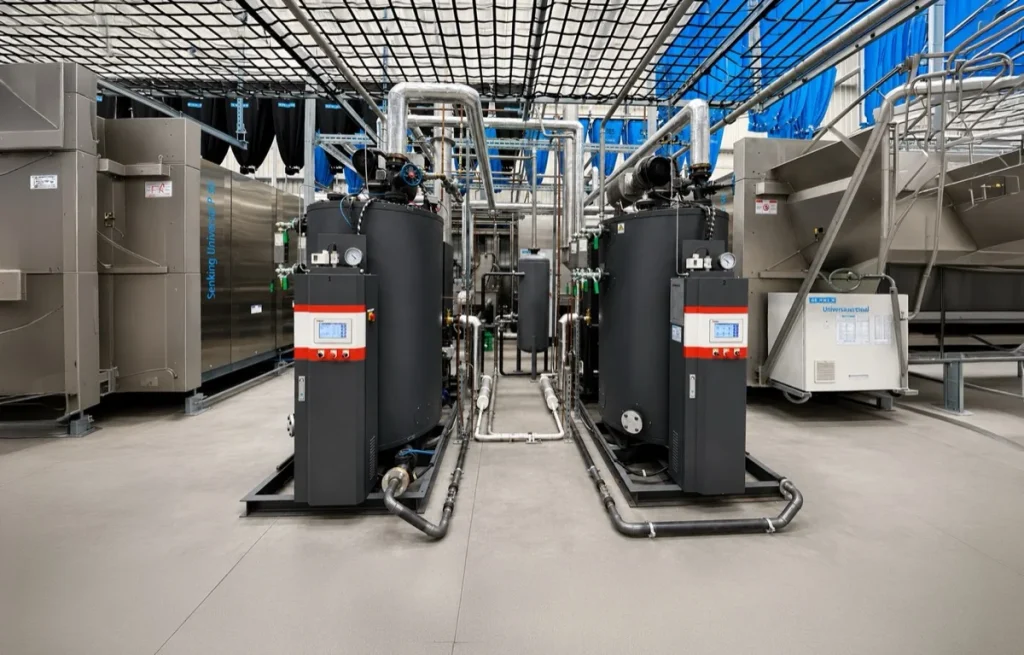
Steam Boilers for Commercial Use in Australia
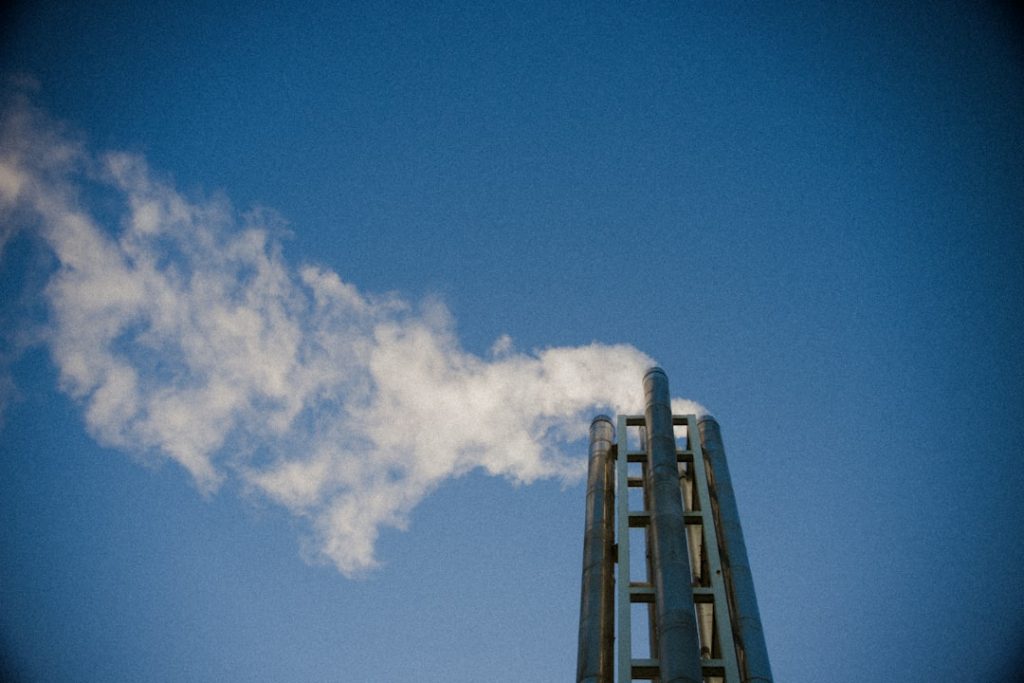
Steam boilers for commercial use provide reliable heat and steam for businesses that depend on consistent performance, high-temperature output, and operational efficiency. In Australia, commercial boilers are used across hospitality, healthcare, laundries, food production, breweries, manufacturing, education, and other industries where heating, cleaning, sterilisation, or process steam is essential.
Choosing the right system depends on steam demand, operating hours, available fuel source, site infrastructure, compliance requirements, and total lifecycle cost. For many businesses, the goal is not simply to install a boiler. The goal is to improve boiler performance, reduce downtime, and select a system that can support long-term operational growth.

What Is a Commercial Steam Boiler?
A commercial steam boiler is a type of boiler designed to generate steam for heating, cleaning, sterilisation, and industrial processes at a larger scale than residential systems. These boilers are commonly powered by gas, electricity, or other fuel sources, depending on the site infrastructure and operational needs.
Commercial steam boilers are often used where hot water alone is not enough. Steam provides fast, high-temperature heat, making it suitable for businesses that require consistent output, strong boiler performance, and reliable process control.
Key Features:
- High Efficiency: Modern commercial boilers are designed to improve fuel use, reduce waste, and support lower operating costs.
- Pressure Control: Steam boilers operate under pressure and require proper control systems, servicing, and safety checks.
- Versatile Applications: They can support heating, cleaning, sterilisation, cooking, humidification, and industrial production.
- Reliable Boiler Performance: A well-selected boiler helps maintain consistent steam output and reduce operational disruption.
- Fuel Flexibility: Depending on the site, businesses may consider gas, electric, or hybrid boiler systems, including a high efficiency electric boiler where suitable.
How are Steam Boilers Used in Commercial and Industrial Environments?
In Australian commercial and industrial settings, steam boilers serve several important functions. They are used in facilities where heat, pressure, hygiene, and process reliability are part of daily operations.
Steam boilers can support both building services and production requirements, which makes them an important part of many commercial boiler systems and industrial boiler applications.Common Uses:
Common Uses:
- Heating: Provides temperature control for hotels, hospitals, schools, campuses, and large commercial buildings.
- Industrial Processes: Supplies steam for manufacturing, sterilisation, food processing, and production machinery.
- Cleaning: Supports steam cleaning in laundries, kitchens, healthcare facilities, and food production environments.
- Cooking: Used in commercial kitchens, food manufacturing, and production facilities that require controlled heat.
- Sterilisation: Helps hospitals, laboratories, and food businesses maintain hygiene and safety standards.
- Laundry Processing: Powers washing, drying, ironing, and finishing equipment in commercial laundries.
Industry-Specific Use Cases for Steam Boilers
- Hospitality: Hotels utilize steam boilers for hot water production, cooking, and efficient laundry services. Immediate access to hot water enhances guest experience and supports operational efficiency.
- Healthcare: Hospitals rely on steam for sterilization in surgical equipment and maintaining environmental control within patient care areas, ensuring compliance with stringent health regulations.
- Laundries: Commercial laundries utilize steam to power washing machines and steam cleaners, which are crucial for maintaining hygiene standards.
- Food Manufacturing: Steam is integral to processes like cooking, pasteurization, and cleaning, ensuring products meet safety and quality standards.
- Breweries: Brewing processes depend heavily on steam boilers for heating processes like mashing and sterilization, contributing to flavor profiles.
- Manufacturing: Various manufacturing settings utilize steam boilers to power machinery, providing reliable heating essential for production efficiency.
- Education: Schools use steam systems for heating, cooking, and cleaning, making it vital for a conducive educational environment.
Commercial Steam Boilers vs. Hot Water Boilers
Understanding the differences between commercial steam boilers and hot water boilers is crucial for making an informed choice.
A commercial steam boiler produces steam at high temperatures, making it suitable for operations that require fast, powerful heat. Steam boilers are commonly used for sterilization, cooking, cleaning, humidification, laundry processing, food production, brewing, and other commercial or industrial applications where high heat and pressure are needed.
A hot water boiler, on the other hand, heats and circulates water at lower temperatures. It is typically used for space heating, domestic hot water, and general building comfort. Hot water systems are often simpler to operate and maintain, making them a practical choice for facilities that do not require steam for production or specialist processes.
Steam boilers usually heat faster and are better suited to quick-demand environments. However, they are also more complex and require regular servicing, safety checks, and proper maintenance. Hot water boilers provide steady, consistent heating over time and generally have simpler maintenance requirements.
The right choice depends on your application, thermal load, operating hours, site infrastructure, available fuel source, and maintenance requirements. For businesses that need steam for production, sterilization, or process heating, a commercial steam boiler is usually the better option. For buildings that mainly need heating and hot water, a hot water boiler may be more suitable.
Key Factors to Consider Before Choosing a Steam Boiler
When evaluating steam boilers for commercial use, several factors should influence your decision-making process:
- Steam Demand: Assess the anticipated steam requirements based on operation schedules and peak usage.
- Operating Hours: Identify both peak and non-peak hours to ensure the boiler can meet varying demands.
- Available Fuel Sources: Consider access to fuels such as natural gas, oil, or electricity, which can influence cost and efficiency.
- Site Infrastructure: Evaluate existing installations to ensure compatibility with new systems.
- Safety Requirements: Compliance with local regulations regarding pressure vessels is non-negotiable.
- Lifecycle Cost: Analyze the total cost over the boiler’s lifetime, including initial purchase, maintenance, and energy consumption.
Energy Efficiency, Lifecycle Cost, Servicing, Compliance, and Downtime Prevention
Commercial property owners must be vigilant about energy efficiency and management costs. Below are critical considerations:
- Boiler Efficiency: Opt for systems with 90% efficiency or higher to ensure optimal fuel utilization.
- Lifecycle Cost: Prioritize long-term savings through efficient systems; this includes initial investment and ongoing operational costs.
- Servicing: Implement a rigorous maintenance schedule to prevent breakdowns and extend system life.
- Compliance: Stay informed about local regulations and conduct regular inspections to ensure safety and compliance.
- Downtime Prevention: Monitor system performance and engage in predictive maintenance to minimize unexpected failures.
When to Repair, Upgrade, or Replace Your Steam Boiler
Knowing when to take action is crucial for maintaining operational efficiency:
Indicators for Action:
- Rising Fuel Costs: Increasing energy use may indicate poor efficiency or declining boiler performance.
- Frequent Repairs: Regular breakdowns can make replacement more cost-effective than ongoing repair.
- Aging Equipment: Boilers that are 15 to 20 years old may no longer meet current efficiency or performance expectations.
- Poor Steam Output: If the boiler struggles to meet demand, it may be undersized, inefficient, or nearing the end of its useful life.
- Compliance Issues: If the system no longer meets safety or operational requirements, an upgrade may be necessary.
- Operational Downtime: If boiler problems are affecting production, service, or business continuity, replacement should be considered.
Speak With O’Brien Energy
Choosing the right steam boiler affects energy use, safety, compliance, downtime, and long-term operating cost. Before selecting a system, businesses should assess their steam demand, site infrastructure, fuel options, operating hours, and maintenance requirements.
O’Brien Energy works with Australian businesses to support commercial boilers, industrial boiler systems, steam boiler installation, servicing, maintenance, efficiency upgrades, and lifecycle support. Whether your facility needs a gas steam boiler, electric steam boiler, high-efficiency boiler, or a broader industrial heating solution, O’Brien Energy can help identify the right system for reliable boiler performance and efficient commercial use over the long term.
Frequently Asked Questions
What is the primary use of steam boilers in commercial settings?
Steam boilers are mainly used for heating, cleaning, cooking, sterilisation, laundry processing, and industrial processes that require reliable high-temperature steam.
How do I know which steam boiler is right for my business?
The right steam boiler depends on steam demand, operating hours, available fuel source, site infrastructure, safety requirements, and lifecycle cost.
What maintenance is required for a commercial steam boiler?
Commercial steam boilers require regular inspections, cleaning, pressure checks, water treatment, safety testing, and servicing by qualified specialists.
Are high-efficiency boilers worth it for commercial use?
High-efficiency boilers can be valuable for businesses with regular steam demand, high energy usage, or ageing boiler systems. The benefit depends on operating conditions and lifecycle cost.
Is a high efficiency electric boiler suitable for commercial use?
A high efficiency electric boiler can be suitable for certain commercial and light industrial applications, especially where electricity supply, emissions goals, or site constraints make electric heating practical.
What affects boiler performance?
Boiler performance is affected by correct sizing, fuel type, water treatment, controls, servicing, operating hours, steam demand, and the condition of the wider system.